

Beauty ecommerce is a growing industry. Nielsen NIQ’s State of Beauty 2025 reports that online beauty sales are growing nine times faster than in-store.
What’s driving growth in beauty ecommerce, and how should brands adapt to keep pace?
From live shopping and AI discovery to biotech innovation and masstige pricing, here are the key beauty ecommerce trends shaping the year ahead.
1. Live shopping is becoming a core sales channel
What’s happening:
Live shopping blends entertainment, education, and instant checkout into a single experience. Globally, the live commerce market is projected to grow at a 39.9% CAGR, making it one of the fastest-growing ecommerce formats.
Beauty brands like BK Beauty, Made By Mitchell, and Kiehl’s have shown how livestreams can drive both engagement and conversion.


Why it works for beauty:
Beauty is experiential. Outcomes vary by skin type, undertone, hair texture, climate, and technique. Live formats allow shoppers to:
- See textures and shades in real time
- Watch products applied on real people
- Ask questions and get instant feedback
Combined with the rise of “shoppertainment”, where browsing and shopping blend into leisure time, livestreams feels more natural than static product pages.
Impact on beauty ecommerce:
Shopping is moving online. But brands are expected to continue putting real people front and center.
Founders, creators, makeup artists, and skin experts are becoming critical trust builders in the age of digital shopping.
2. Social commerce is maturing and creators are now brand extensions
What’s happening:
With beauty ecommerce on the rise, creators have become a key layer of “proof” in the purchase journey. This is reflected in UGC trust data:
- 92% of consumers say they trust organic, user-generated content (UGC) more than traditional advertising.
- 84% of Gen Z consumers trust brands more when they use UGC
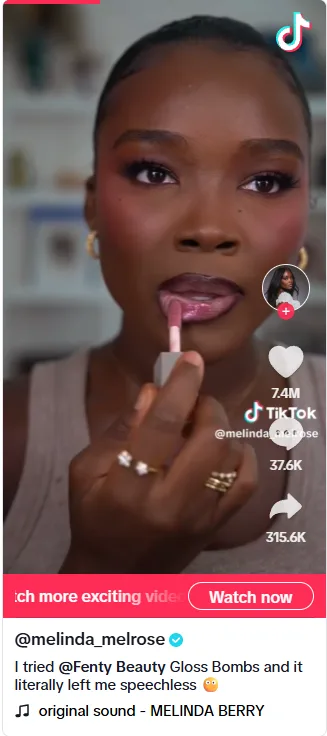
Creators play a central role in how beauty products are discovered, evaluated, and purchased. Brands like Fenty Beauty gained traction as creators shared authentic reviews highlighting inclusive shade ranges and real wear tests.
Why this shift matters:
In a crowded market, creators act as brand “translators”. They show how products perform in real life, explain benefits in everyday language, and build familiarity through repeated exposure. That’s why creators are no longer just a channel, but an increasingly an extension of brand identity.
Impact on beauty ecommerce:
To make creator-led growth sustainable, brands need to keep messaging consistent across multiple creators and campaigns. This is typically driven by:
- Repeat creator partnerships
- Consistent messaging and claims
- Long-term creator–brand alignment
3. AI is becoming the new beauty consultant
What’s happening:
Shoppers are increasingly turning to AI tools to research ingredient compatibility, build routines, and compare products. Some even use conversational AI for dermatology-style advice before making a purchase.
On TikTok, a growing number of users are sharing prompts for using ChatGPT to get personalized skincare guidance. The content comes from a mix of creators and, in some cases, clinicians, and reactions are mixed. While some users report helpful starting points, while others flag inaccuracies.
Still, the format is gaining traction because it’s fast, convenient, and often cheaper than trial-and-error product testing.


Why it matters:
AI can aggregate and synthesize information faster than manual research.
As a result, it’s reshaping how consumers narrow options before consumers land on beauty ecommerce websites.
Impact on beauty ecommerce:
How well products are structured, described, and understood by AI engines will directly affect product discoverability and trust.
4. Clean beauty expectations are becoming the baseline
Clean beauty is an increasingly mainstream movement in personal care. It is centered on products formulated without potentially harmful ingredients and an emphasis on ingredient transparency, non-toxic formulations, minimalist routines, and responsible sourcing.
What’s happening:
Consumers increasingly expect environmentally conscious packaging, ingredient transparency, and responsible sourcing.
A global survey by IBM and the National Retail Federation found that:
- 77% of consumers value brands that are sustainable or environmentally responsible
- 71% are willing to pay a premium for full transparency around ingredient sourcing and impact
This trend is showing up across big beauty brands. Brands like Torriden, for example, use soy ink, recycled materials, and easy-peel labels to simplify recycling.
Impact on beauty ecommerce:
Sustainability has shifted from a “nice to have” to a key factor in purchase decisions. Brands that prioritize it will gain a competitive edge.
5. Hyperpersonalization is driving higher conversions
What’s happening:
Brands are investing in more sophisticated personalization. These methods help consumers find products that truly match their needs.
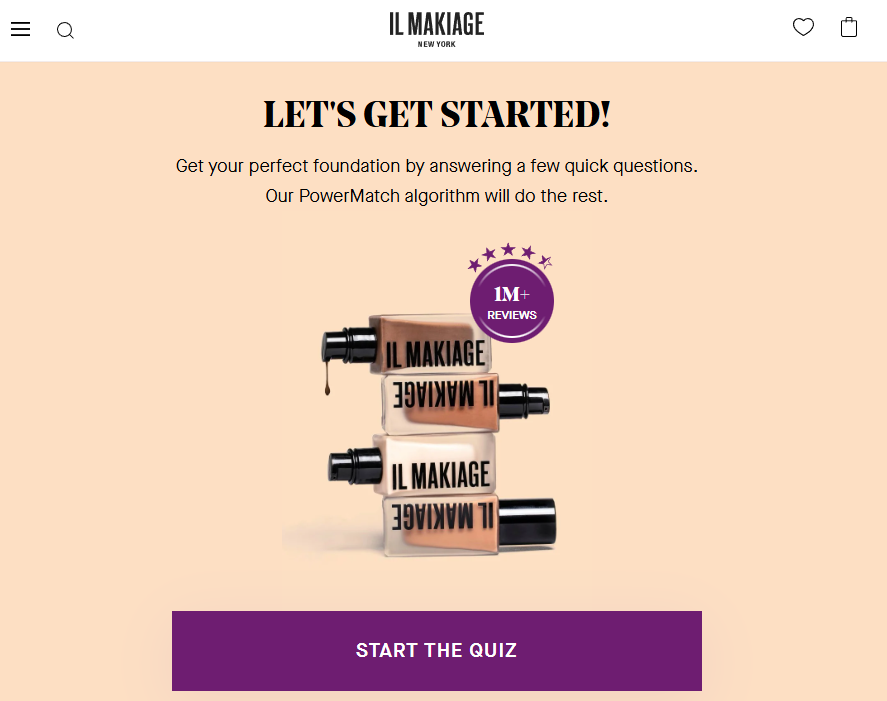
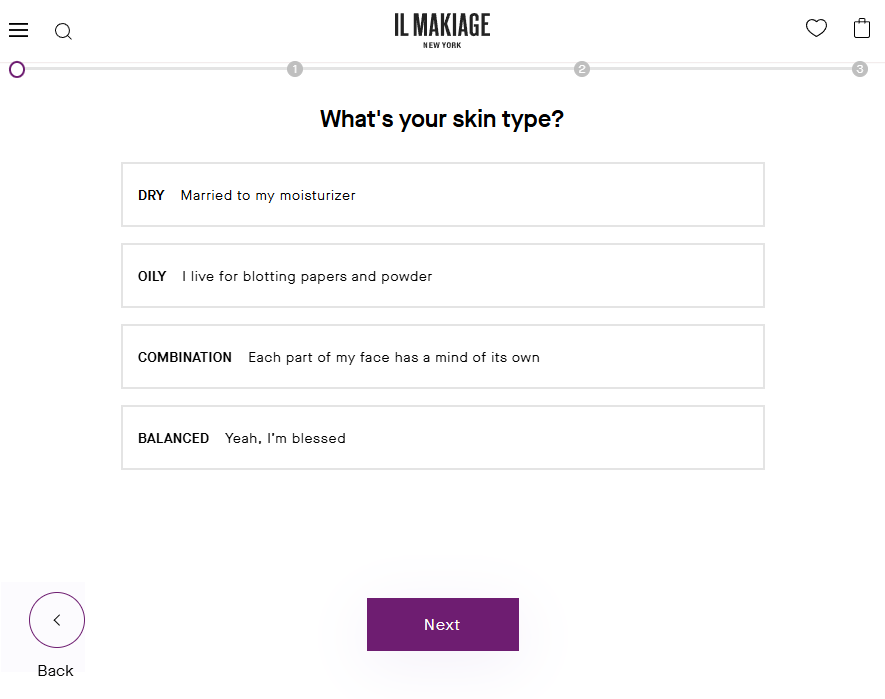
An example includes Pure Culture Beauty that use surveys and at-home skin tests to personalize the shopping experience. Other brands, like IL Makiage, rely on detailed quizzes to recommend shades, routines, or formulations.
Why it works:
Beauty is deeply personal. Personalization reduces decision fatigue and increases buyer confidence, which are two major barriers to purchase.
Impact on beauty ecommerce:
Data-driven personalization improves conversion rates and long-term retention, especially as product assortments grow more complex.
Complete, standardized product data on ingredients, skin concerns, and usage instructions help recommendation tools to match the right products to the right needs.
6. Biotech beauty is gaining momentum
Biotechnology beauty refers to skincare, haircare and cosmetic products formulated with key ingredients produced by scientific processes that involve living organisms (like bacteria, yeast, algae or plant cells).
What’s happening:
Stricter regulations are accelerating innovation in biotech-driven formulations. In May 2025, the European Commission banned newly classified cosmetic substances. These substances are deemed to have carcinogenic, mutagenic, or reproductive toxicity properties.
As regulations tighten, brands may need to reformulate or replace restricted ingredients to stay compliant. Biotech-derived ingredients, made under controlled production conditions, can improve consistency and traceability. This supports safer formulations compared to certain legacy ingredients.
Furthermore, biotech-driven solutions meet stringent sustainability criteria, which allows brands to obtain certifications like COSMOS or ECOCERT. This creates an opportunity for brands to align themselves with sustainability.
With more beauty brands investing in biotech, the market is set to grow to USD 3.68 billion by 2030.
Some examples include
- L’Oreal: In 2019, they partnered with Abolis Biotechnologies, with goals to make 95% of ingredients in its formulas bio-based, derived from abundant materials or from circular processes by 2030.
- Microphyt: A French biotech company that works with micro-algae to create cosmetic ingredients.
- Wilmar International: An agribusiness company that created the Wilsol SPF Booster. It is a plant-based, bio-degradable ingredient for sunscreen products.
Impact on beauty ecommerce:
Science-backed storytelling is a powerful trust signal. Brands that clearly explain why an ingredient works stand out in crowded markets.
Biotech brands can consider product tagging around key ingredients like peptides, fermented ingredients, or microbiome-supporting formulas. When consumers can easily filter for specific biotech products, this makes product discovery easy.
7. Masstige is redefining value in beauty
Masstige is short for mass and prestige, and can be understood as ‘prestige for the masses’. It refers to products that feel premium and aspirational but are affordable for the mass audience.
What’s happening:
Consumers are increasingly moving toward masstige products. They believe that prices don’t signal quality. In fact, according to Circana, only 14% of US beauty buyers believe higher prices mean better quality. To back this up, dupes are gaining traction. Nearly one-third of US adults report intentionally buying dupes of premium products. Consumers have shown increased interest in dupes, with the #dupe hashtag has amassed nearly 6.3 billion views on TikTok.
This shows a shift in customer spending to prioritize cost savings without sacrificing performance.
Impact on beauty ecommerce:
High performance at accessible prices is now the baseline expectation. Brands need to justify pricing through results, efficacy, and value.
Clear product descriptions help by spelling out key benefits, ingredients, and the value that shoppers can realistically expect.
8. The longevity trend is reshaping anti-aging
What’s happening:
Longevity-focused skincare is accelerating. Brands are investing in proteomics, peptides, and regenerative ingredients.
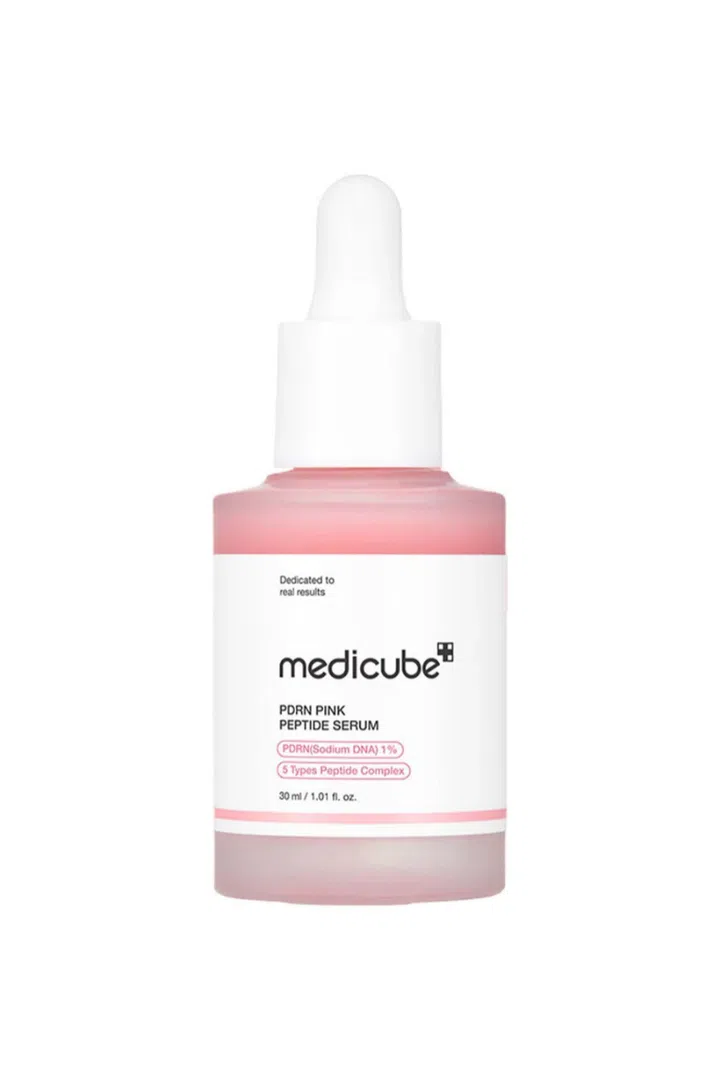
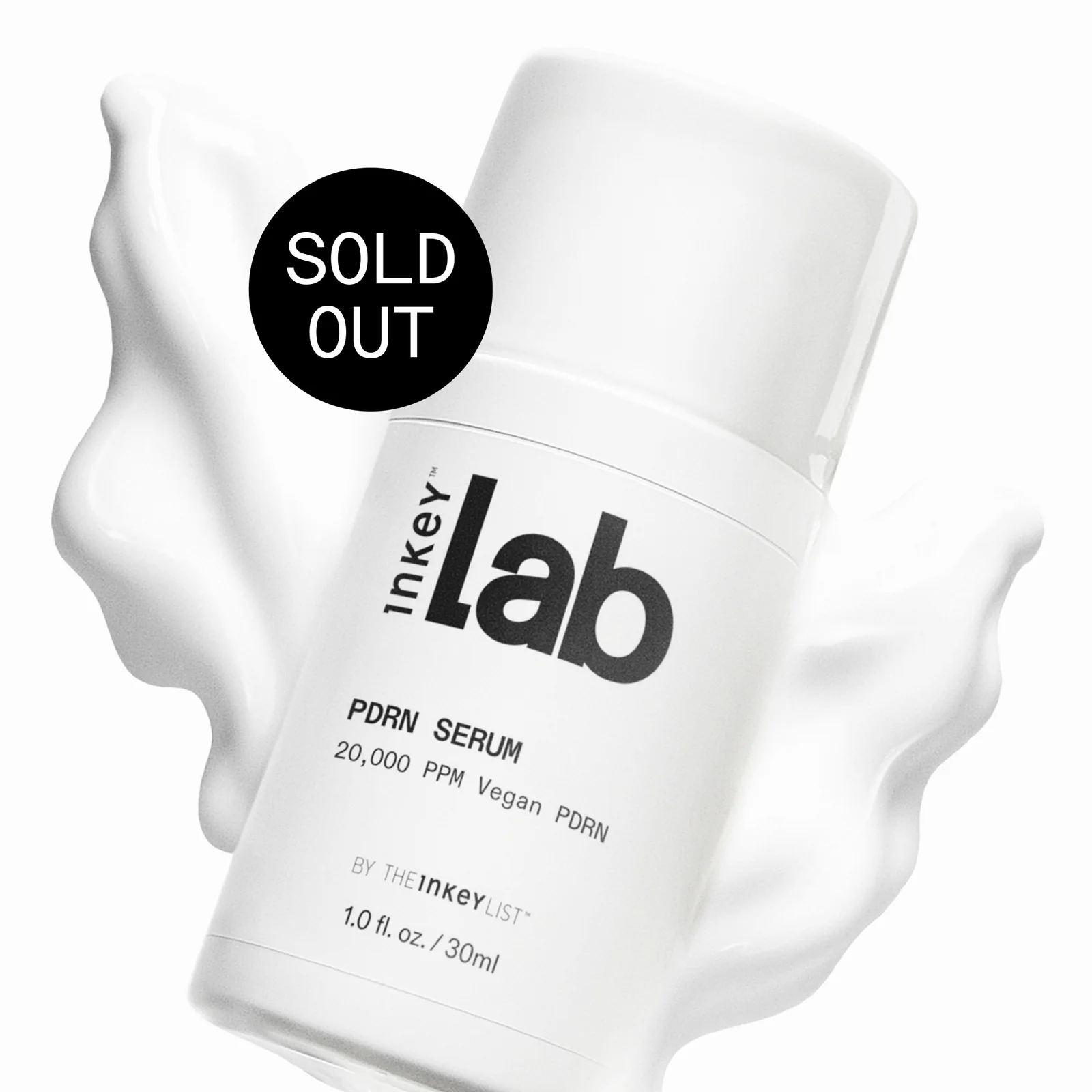
Peptides are emerging as key growth drivers, while regenerative ingredients like PDRN (polydeoxyribonucleotide) are gaining traction after breaking into the mainstream in 2025.
Several major beauty e-commerce platforms and brands have been actively promoting their PDRN product lines, such as Olive Young Global, medicube, and The Inkey List.
Other brands take this further. For example, brands like Lancome offer proteomic skin analysis which measures protein biomarkers. This assesses not just current skin condition, but long-term cellular health.
Impact on beauty ecommerce:
Longevity shifts the conversation from “looking younger” to supporting skin biology over time, creating new branding opportunities.
Strategies to Capitalize on These Trends
Invest in social listening to spot demand early
Track fast-moving conversations to stay ahead of demand shifts. These often start on social platforms before showing up in sales data.
Social listening helps ecommerce teams track:
- Emerging ingredients, routines, and aesthetics
- Shifts in sentiment around existing products
- Creator-driven micro-trends before they peak
How to apply this:
- Monitor TikTok, Instagram, and Reddit for recurring keywords and formats
- Track changes in how consumers describe problems (e.g. “barrier repair” vs “sensitive skin”)
- Feed these insights into product positioning, content updates, and launch timing
This allows brands to react while demand is forming.
Pilot live shopping strategically
As live commerce matures, brands can’t rely on one-off livestreams. The real opportunity is operationalizing live shopping.
Some tips for a successful livestreaming scaling:
- Build a consistent creator pool
- Work with the same hosts regularly
- Reinforce brand voice and credibility
- Reduce training and onboarding friction
- Integrate with ecommerce infrastructure
- Sync inventory for real-time data
- Ensure seamless order routing and fulfillment
- Prepare customer support for post-live questions
Adapt branding faster
Micro-trends can rise and fall in weeks.
Brands that win aren’t necessarily those with the biggest launches, but those that:
- Refresh product pages quickly
- Update imagery and keywords to match demand
- Align messaging with how consumers are currently searching
Here are some practical ways to do this:
- Update product titles, descriptions, and tags regularly
- Use SEO research to surface trending keywords early
- Use AI-powered tool to automate product tagging for trending keywords
Speed and flexibility matter more than perfection.
Optimize for AI discovery
As AI tools increasingly guide beauty research, product content needs to be structured for machine understanding, not just human readers.
AI engines rely on clear attributes, comprehensive descriptions, and standardized terminology.
How to win here:
- Standardize and enhance product descriptions across your catalog
- Clearly define ingredients, benefits, and use cases
- Ensure consistent tagging and attribute enrichment
- Use AI tools to scale content creation and optimization without manual bottlenecks
Tip: Hypotenuse AI’s product data enrichment feature uses AI to fill product attribute gaps or generates structured data for better human and machine discoverability.
Conclusion
Beauty ecommerce moves fast and 2026 will reward brands that adapt just as quickly. From live shopping and AI discovery to masstige pricing and biotech innovation, winners will be those that anticipate consumer needs and act decisively.



.webp)