Double click into the component to add or edit the content inside.
The displayed links are best to edit here as it is shared with the mobile and desktop function.
Hypotenuse AI Blog
Best practices for ecommerce brands to rank and convert better.
featured
The Ecommerce Playbook for Getting Mentioned by AI
Want your brand to show up in AI search results? This guide breaks down how to optimize your product pages, what else to improve across your website, and which platforms to focus on to earn those mentions.
Thank you! Your submission has been received!
Oops! Something went wrong while submitting the form.
AI
November 23, 2026
Has AI Proved the Riemann Hypothesis? What It Means and What's Next
A mathematician working with Claude proved the Riemann hypothesis, a problem many thought was beyond AI. Here's why it matters and what comes next for AI and ecommerce.
Ecommerce
November 22, 2026
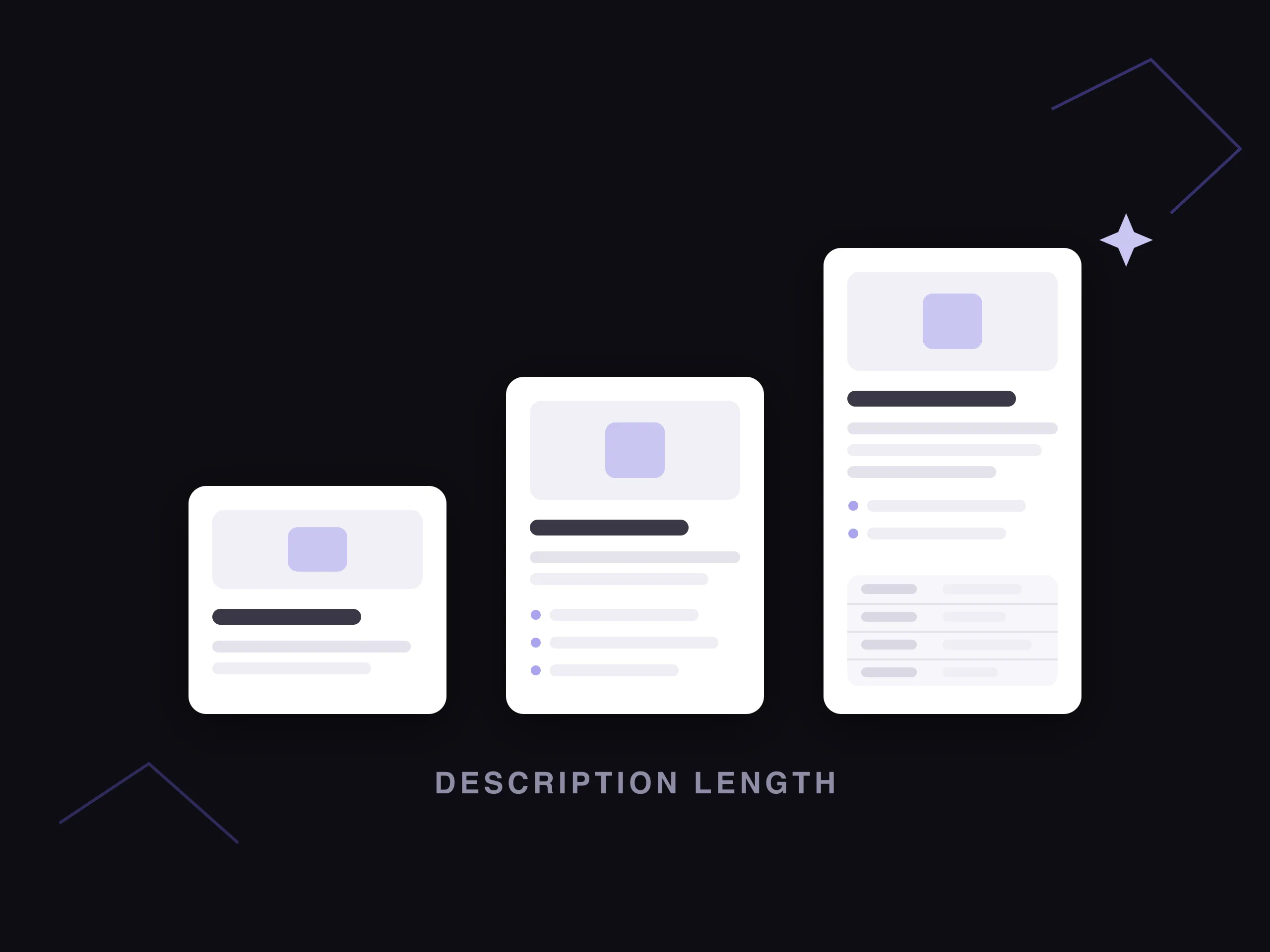
How Many Words Should a Product Description Be?
There's no fixed word count for a product description. How long it should be by product type, how bullets and paragraphs fit together, what Amazon, Walmart and Google Shopping allow, and what length means for SEO.
Ecommerce
November 22, 2026
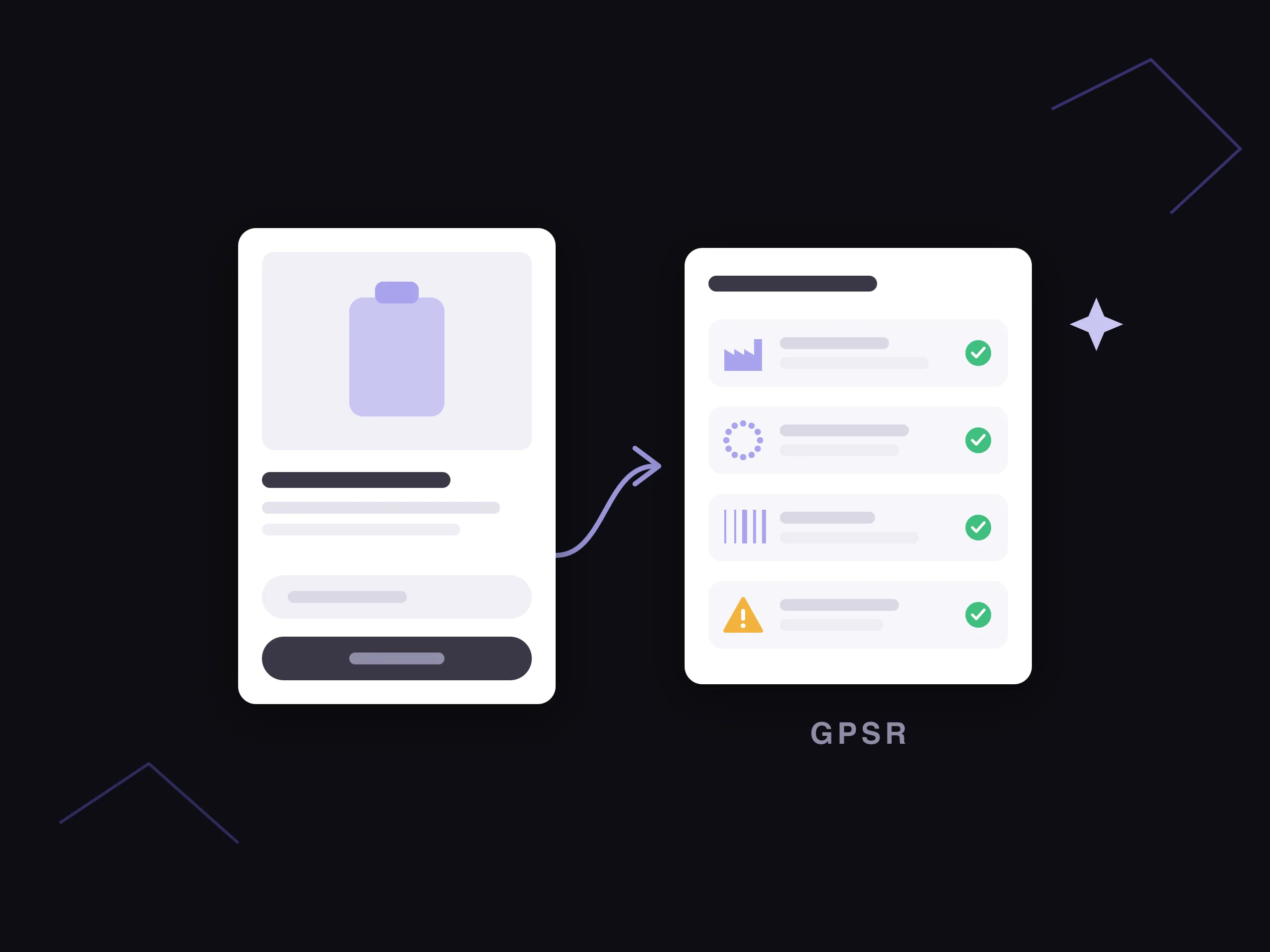
GPSR Requirements for Online Product Listings: What Your Product Data Needs
What the EU's General Product Safety Regulation requires on every online product listing, which products are exempt, and how to keep GPSR data complete across a large catalog.
Ecommerce
November 21, 2026
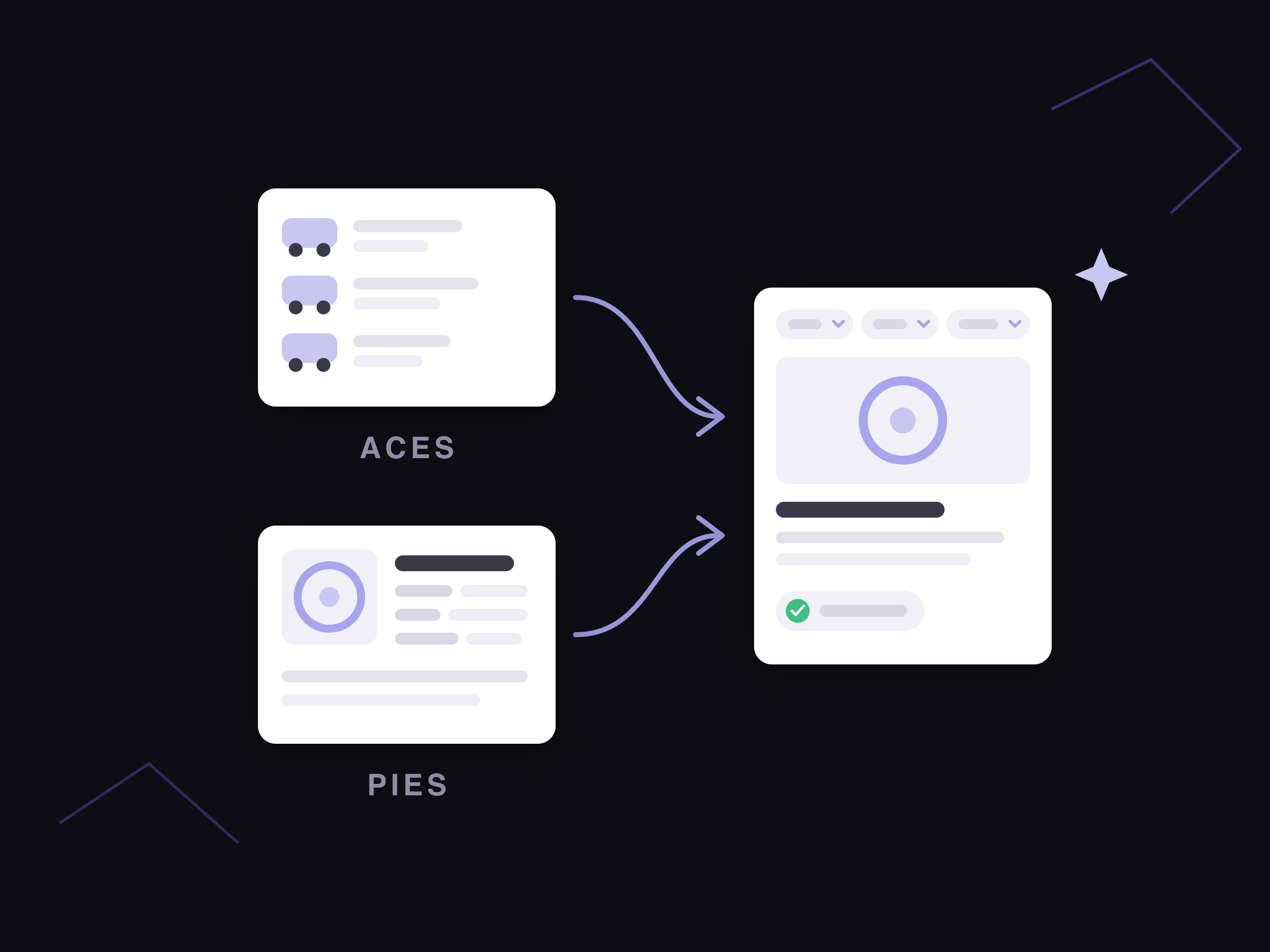
ACES and PIES: What They Are and What Your Parts Catalog Needs
ACES and PIES are the auto parts data standards for fitment and product information. Here's what each file holds, how fitment powers year, make and model search, and the software involved.
Ecommerce
November 19, 2026
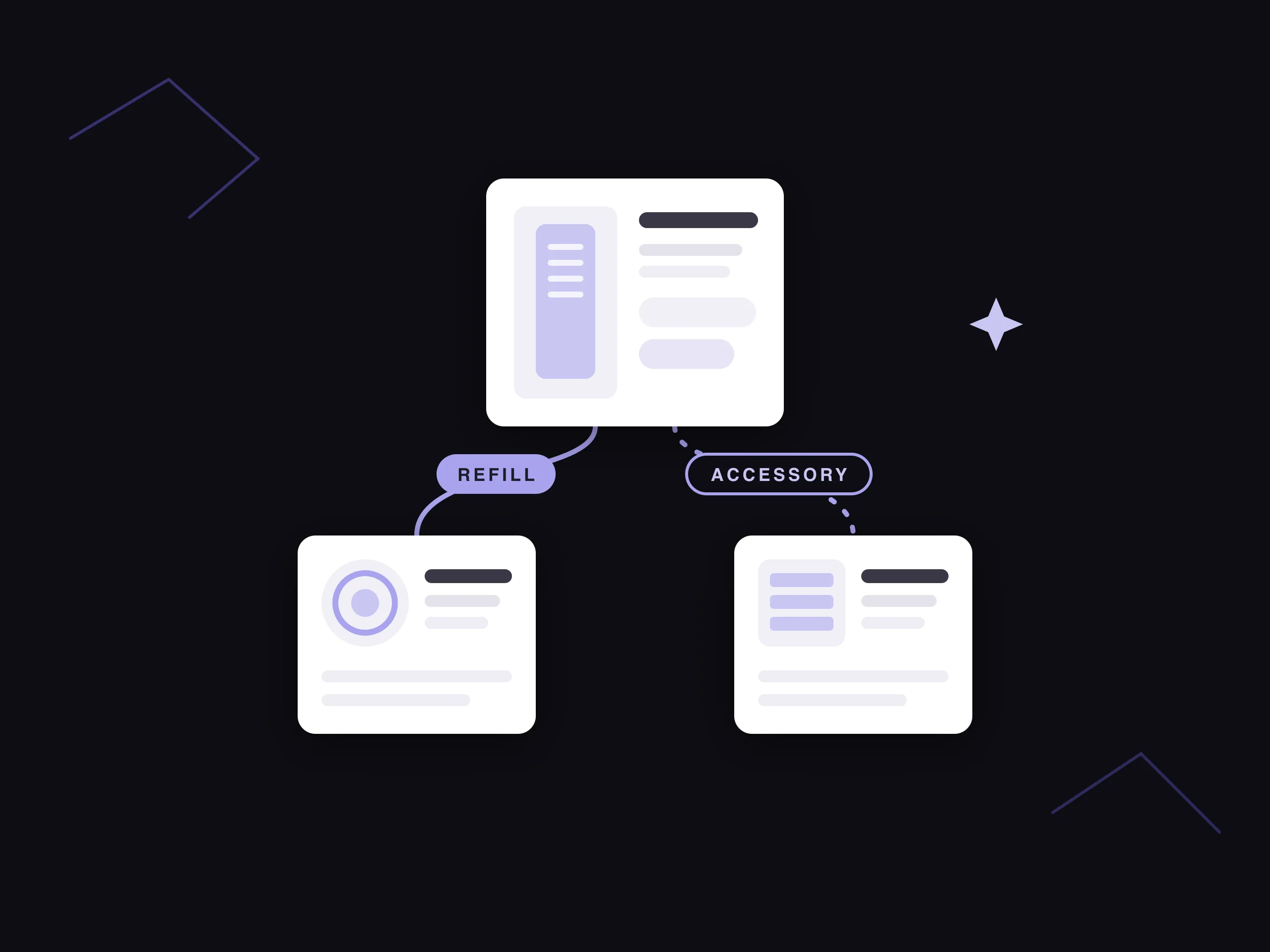
Product compatibility and relationship data for AI shopping answers
How to store compatibility and relationship data as typed links between products, so AI assistants can answer fit questions and channels like Google can read them.
Ecommerce
November 19, 2026
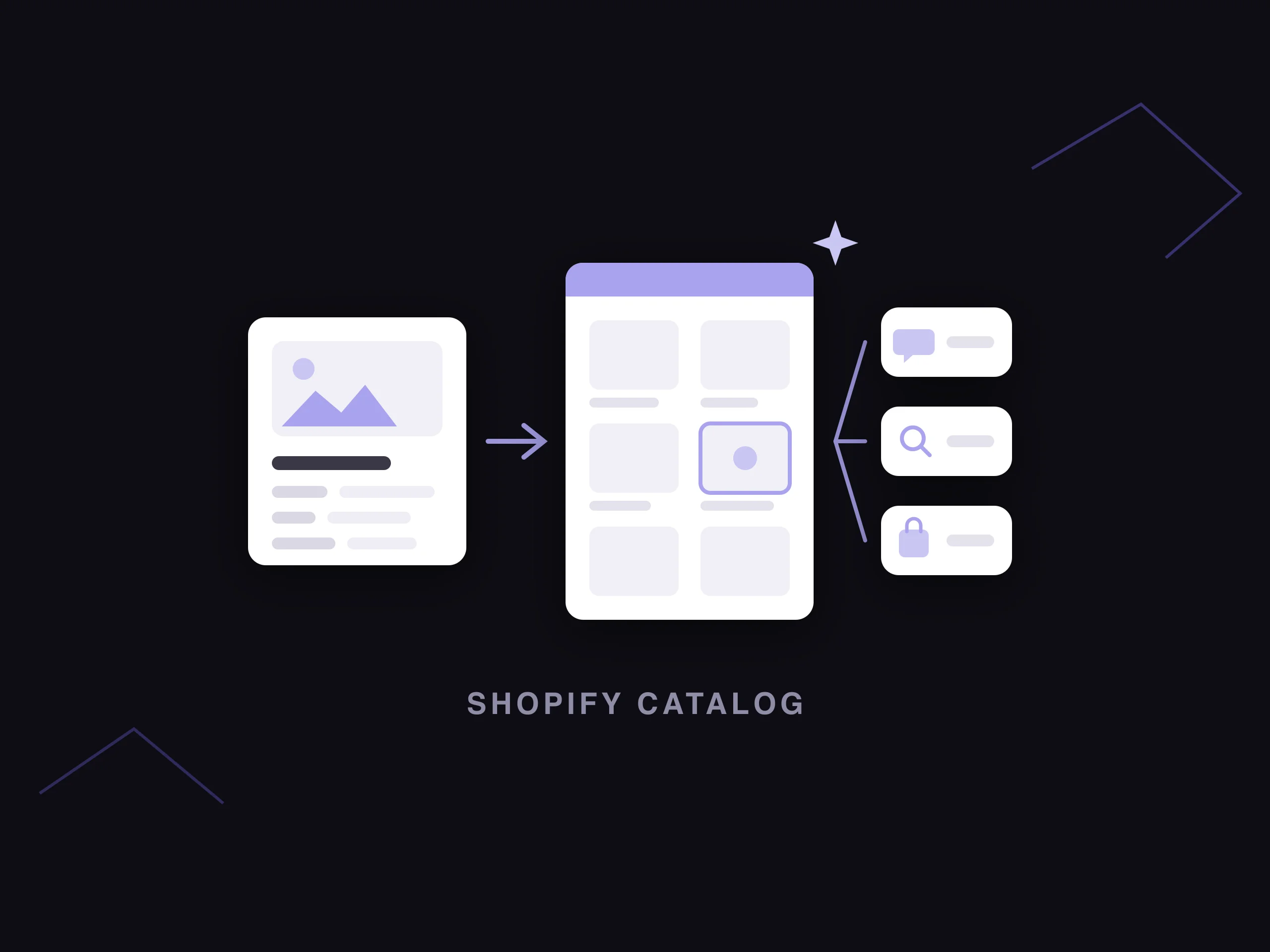
What Is Shopify Catalog? How It Works and What It Means for Your Product Data
Shopify Catalog is the index AI agents search to find Shopify products. Here's what Shopify fills in when your data is thin, and what you can control.
Ecommerce
November 19, 2026
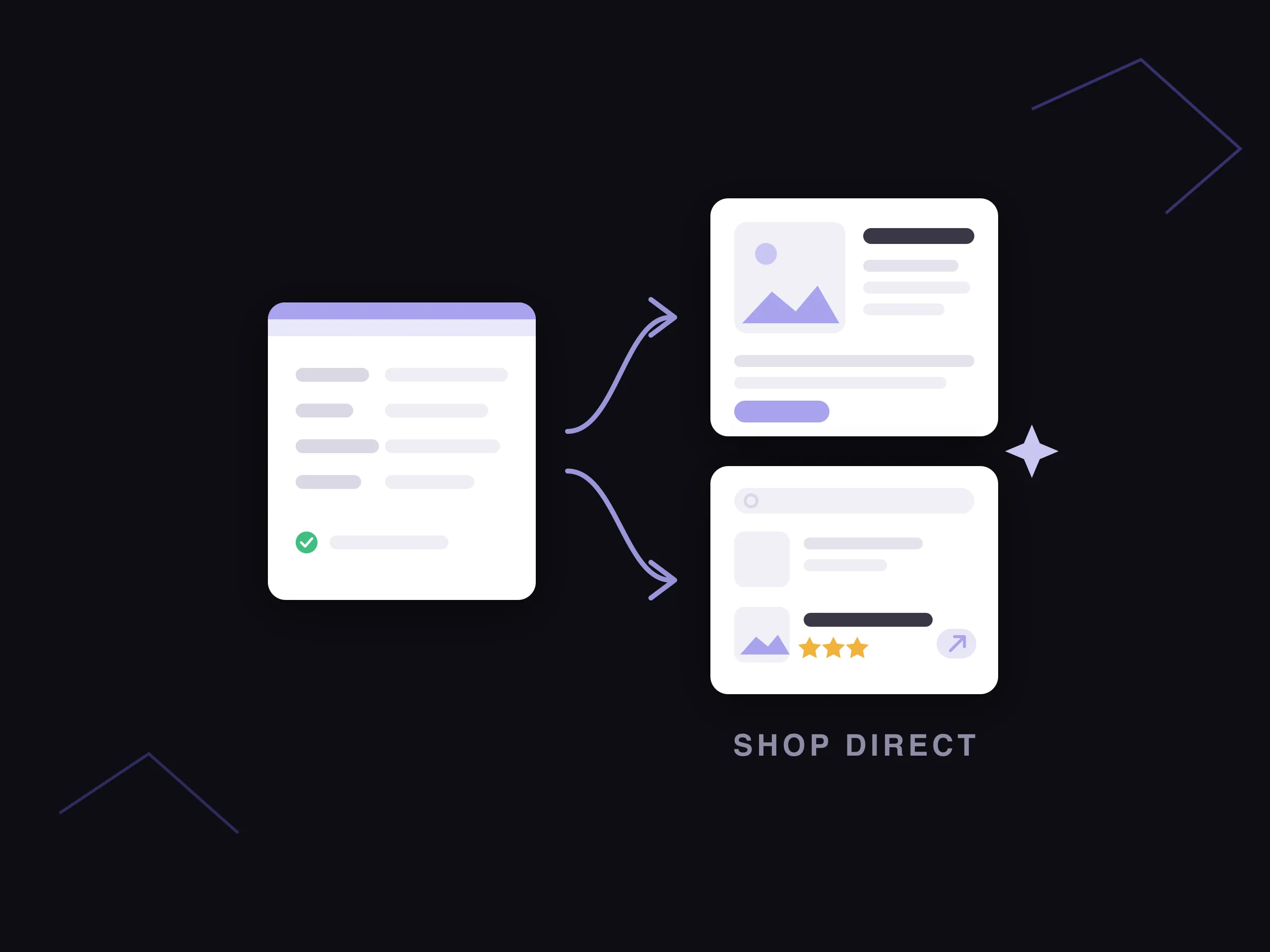
Amazon Shop Direct: Why Product Data at the Source Matters More Than Optimizing for Amazon
Amazon Shop Direct shows products from merchants' own websites and feeds in Amazon search. Here's how Amazon gets that data and how to get your product data ready.
Ecommerce
November 16, 2026
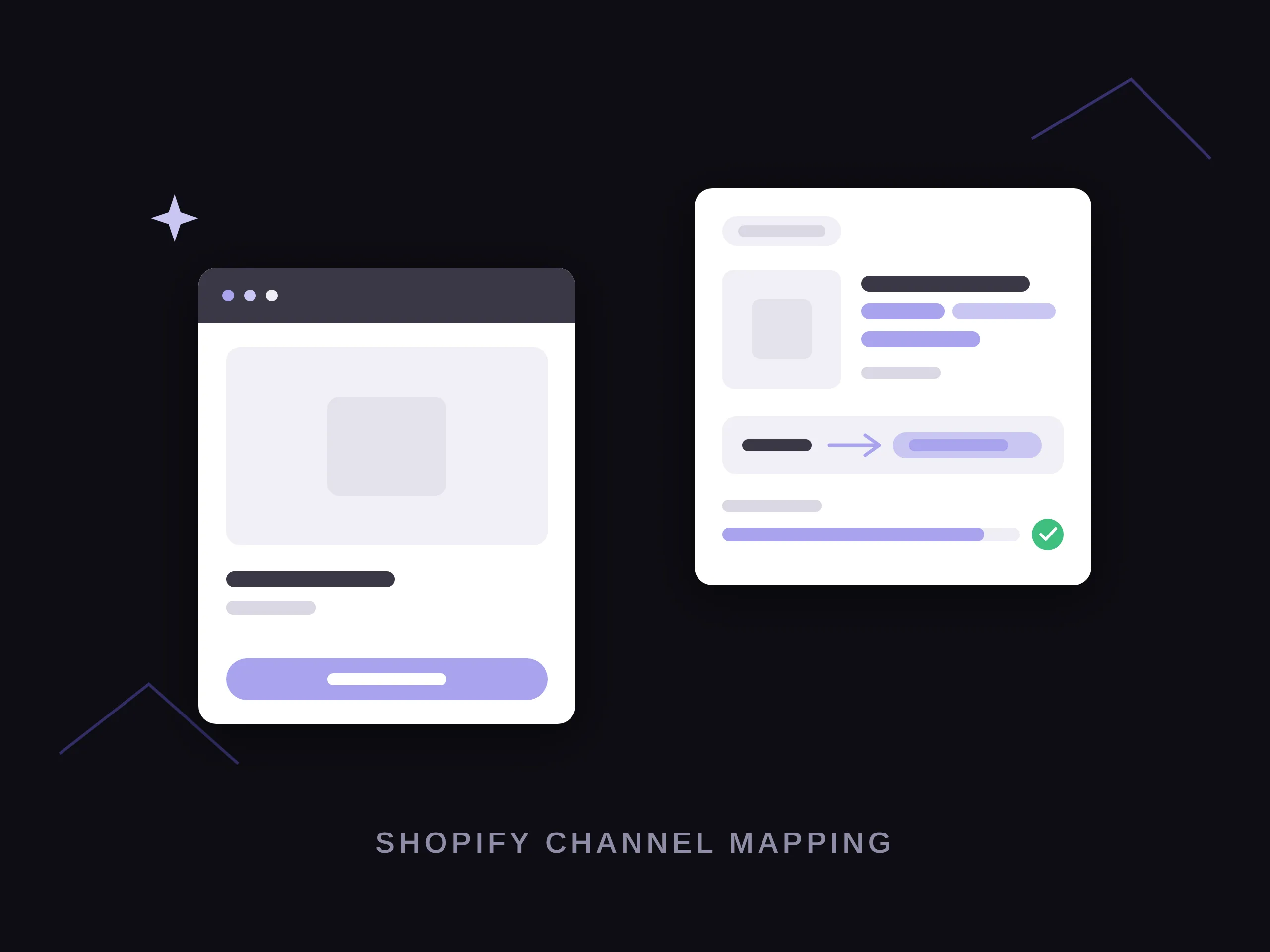
Shopify channel mapping: what it covers, and when product data should live in a PIM
What Shopify channel mapping can and can't map, how it reaches AI channels through Shopify Catalog, and when your master record belongs in a PIM.
Ecommerce
November 13, 2026
What Are Google Merchant Center Conversational Attributes?
Google Merchant Center conversational attributes are optional fields that help AI systems understand your products. Learn what they are and how to add them.
Ecommerce
November 13, 2026
Why On-Site AI Shopping Assistants Give Wrong Answers
On-site AI shopping assistants give wrong answers when product data is messy, inaccurate or missing. Here is how to find and fix the gaps in your catalog.
Ecommerce
October 30, 2026
AI visibility audit for ecommerce catalogs: find weak SKUs and decide what to fix first
How to audit a large catalog for AI search, find SKUs with missing or weak product data and decide which categories and products to fix first.
Ecommerce
October 29, 2026
Product attributes by channel: what Amazon, Walmart, Google and Target require
What Amazon, Walmart, Google Merchant Center and Target require, what happens when an attribute is missing and which optional attributes to fill.
Ecommerce
October 28, 2026
Best Akeneo alternatives in 2026
Compare the best Akeneo alternatives for ecommerce PIM, with G2 ratings and what each platform does better, from brand-trained AI writing to retail syndication.
Ecommerce
October 27, 2026
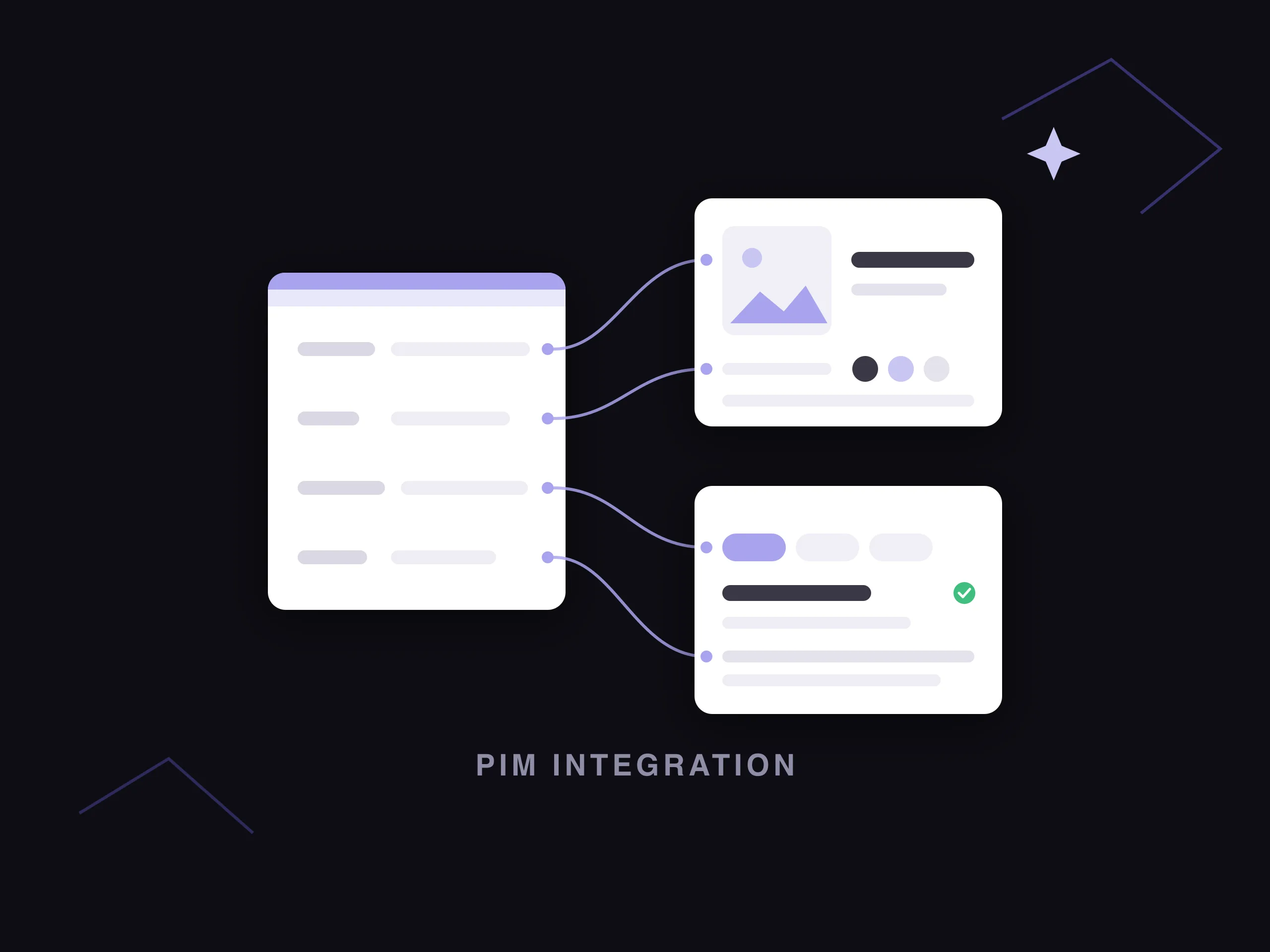
PIM Integration: How a PIM Connects to Your Ecommerce Platform
How PIM integration works: the four ways to connect a PIM to your ecommerce platform, which system owns which data, and how PIM fields map to Shopify, Adobe Commerce, Salesforce Commerce Cloud and more.