

Ecommerce product discovery is changing. Recent research from Acquia found that 62% of marketers have seen a decline in clicks and web traffic from search, indicating that shoppers are moving away from traditional “search, click, buy” behavior.
To position products to be discovered, ecommerce brands need to know how shoppers are searching today.
In this article, we’ll break down what ecommerce product discovery means, how it’s evolving with AI, and the strategies brands can use to strengthen discovery across channels.
What Is Ecommerce Product Discovery?
Ecommerce product discovery is how shoppers find products, whether they’re actively searching for something specific, casually browsing, or stumbling upon something unexpected. Shoppers might start with a vague idea like “a housewarming gift”, a specific query like “lightweight camping and hiking gear under $500”, or no particular intent at all. They might be scrolling through new arrivals, exploring recommendations, or simply come across something on social media or an ad that catches their eye.
For ecommerce brands, the goal of product discovery is simple: Be present in the right moments and make it easy for shoppers to find and buy what they need.
Channels of Product Discovery
Product discovery doesn’t happen in just one place. It’s spread across multiple touchpoints, each shaped by different shopper intent and context.
Established discovery channels
1. Search-led discovery: Shoppers search based on existing knowledge or intent, often informed by past purchases or familiarity with a category.
2. Social feed and creator-led discovery: Platforms like TikTok, Instagram Reels, and YouTube Shorts surface products based on what users engage with.
3. Community and peer discovery: Forums, comment sections, reviews, and word of mouth generate visibility, especially in high-trust categories.
4. Marketplace-native discovery: Shoppers discover products directly at ecommerce platforms like Amazon, Shopee, or Etsy, through recommendations, rankings, and related listings.
Emerging AI-driven discovery models
As AI becomes embedded into search and shopping, new discovery behaviors are emerging:
- AI-assisted search-led discovery: Shoppers ask AI tools for summaries, comparisons, and shortlists instead of browsing multiple sites.
- AI-mediated discovery: Beyond search, AI agents are starting to shop on behalf of consumers by comparing options across brands, prices, and use cases, then presenting a curated selection for the shopper to approve.
What this means for brands:
- AI engines are increasingly the first touchpoint
- Discovery is increasingly intent-driven, not keyword-driven
- Products must be optimized for machine interpretation
Strategies to Improve Ecommerce Product Discovery
The strategies below are grouped by where discovery happens: search and AI, brand awareness, and on-site experience.
Improving Generative Engine Visibility
As AI-driven discovery grows, shoppers are using more contextual, complex queries like "sundress for plus sized women under $50." Whether an engine surfaces your product depends on whether it sees your product as contextually relevant.
Here are two core strategies to improve how AI understands, evaluates and recommends your products.
1. Maintain complete and consistent product data
To be discoverable by AI engines, they need to clearly understand what your product is and who it’s for. That starts with complete, consistent product data across all channels.
A strong data management system ensures all relevant product information is accurate, machine-readable, and consistent across channels.
What you can do:
- Use a single unified platform that integrates multiple data sources: This helps you ensure consistency across products from different suppliers or manufacturers.
- Conduct regular data enrichment and cleaning: Enrich your product data by filling in missing values, removing duplicates, and keeping information up to date.
- Optimize product images for AI: Add descriptive alt text, use the right file formats, and ensure visuals are machine-readable. (Read this article for more practical steps you can take.)
2. Build use case driven content clusters to establish authority
Generative engines favor sites that demonstrate depth, relevance, and authority around a topic.
Use case driven content clusters achieve that, by connecting product pages to content that helps shoppers identify products for specific needs. Some examples include buying guides, comparisons, FAQs, and use-case explainers.
For instance, Jewelry brand Kendra Scott expanded its content footprint by creating intent-led pages like “gifts under $50” and “everyday hoops for sensitive ears,” improving its chances of appearing in AI-generated summaries and recommendations.
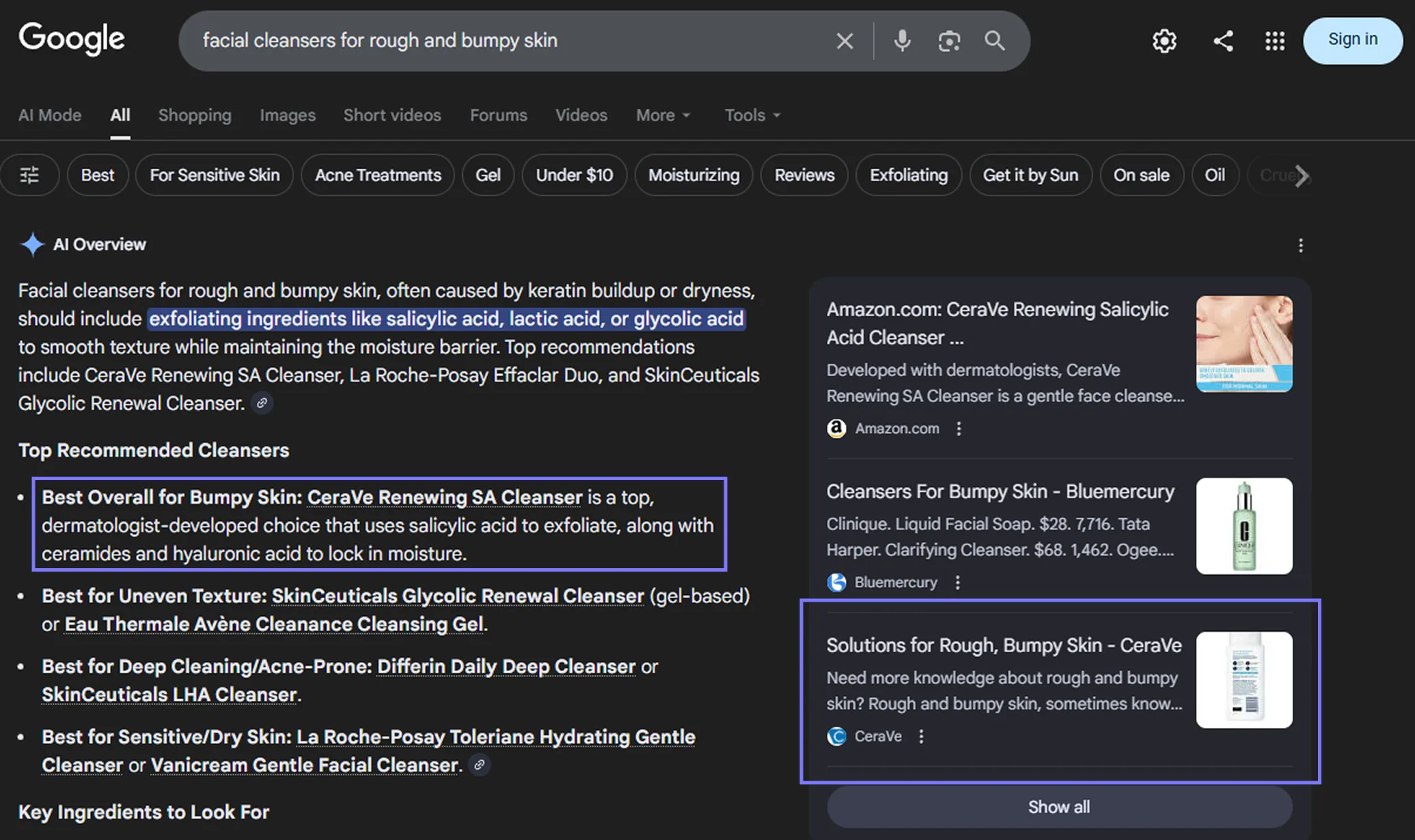
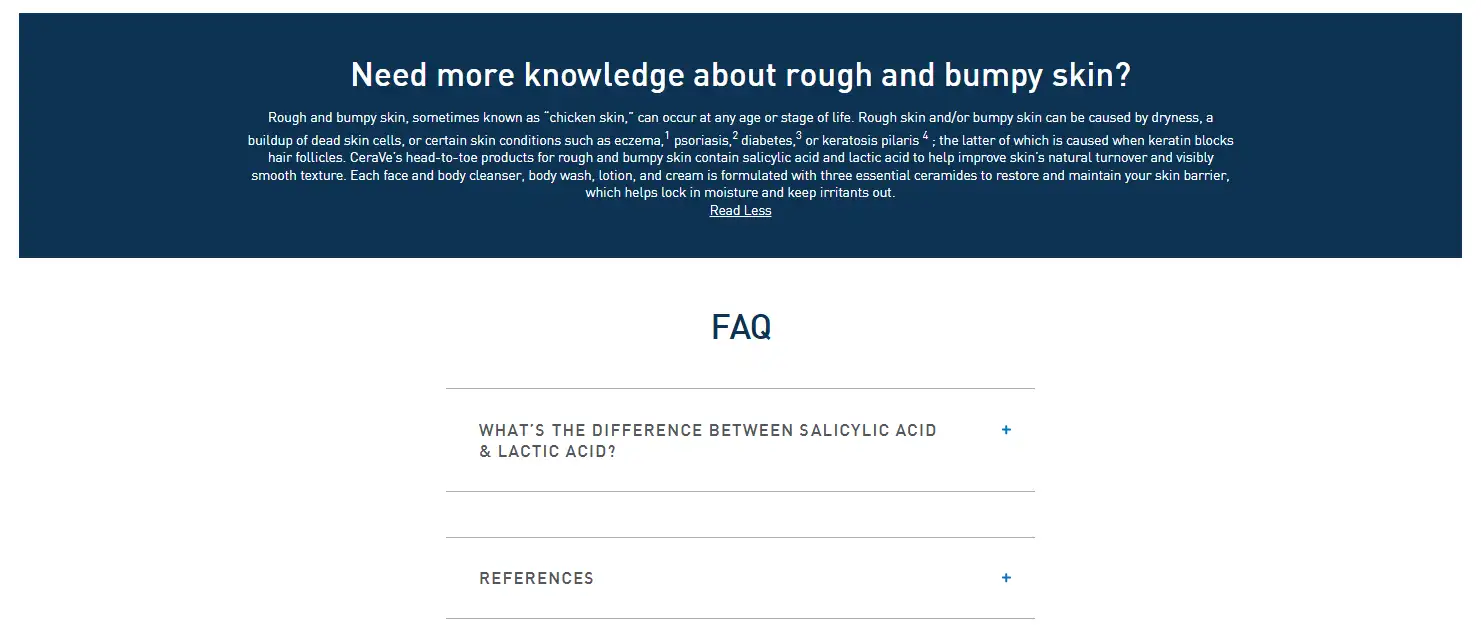
Next, CeraVe consistently shows up for searches like “facial cleanser for rough and bumpy skin” and “moisturizer for dry skin” due to the large volume of credible, science-backed information tied to its products. When Google surfaces CeraVe in AI Overviews, it references CeraVe’s educational ingredient pages which connect ingredients to specific skin concerns.
Ideas to try:
- Develop guides that answer decision questions, handle objections and help shoppers make better decisions (e.g. “best gifts for mothers” or “which sunscreen is best for sun protection”).
- Create informative content backed by credible sources like studies, expert quotes and scientific explanations of your products. For example, you could create an in-depth explanation of how key ingredients in your haircare product prevent hair fall.
- In guides, link to products with phrases that explain who they’re for (e.g. “best for humid climates,” “ideal for gifting,” “good for beginners”).
- Stay on top of trending searches in your brand category by checking Google Trends, Instagram hashtags, TikTok content trends and more.
Strengthening Product Discovery Social Media
Promote product bundling ideas on social media
Social media lets you introduce bundling upstream in the shopping journey, before shoppers even have a specific product in mind.
For example, John Lewis curates seasonal room set-ups on social media that show how furniture, decor, and soft furnishings work together to create a cohesive interior look. Instead of encouraging shoppers to buy a single item, these visuals anchor discovery around a complete room idea, motivating shoppers to explore and purchase multiple complementary products.

Similarly, Glow Recipe integrates product bundling into educational content such as winter skincare routines and makeup tutorials. These guides clearly explain which products to use, in what order, and why they work together to achieve a specific outcome (e.g. repairing dry skin or achieving a dewy finish). By framing bundles as practical solutions, Glow Recipe encourages cross-product discovery well before shoppers reach product pages or checkout.


Ideas to try:
- Explain why each product is included and how it fits into the overall flow (order of use, complementary functions, alternatives). This shifts content positioning from one that is promotional to one that truly inspires.
- Enable product bundles to be found on online platforms so that shoppers can follow up on product discovery with ease.
Making Your Ecommerce Site More Discovery-Friendly
Once a customer lands on your site, the goal is to help them find relevant products quickly, even if they don't know exactly what they're looking for.
1. Guide undecided shoppers with interactive tools
Not every shopper knows what they want. Give them a path forward by giving them tools to narrow down their searches or establish clearer preferences.
Here are some examples of what you can do:
Add product finders or quizzes
Product finders and quizzes act as a discovery layer. They translate a shopper’s needs a curated shortlist, making it easier to surface products they wouldn’t have found through category browsing alone.
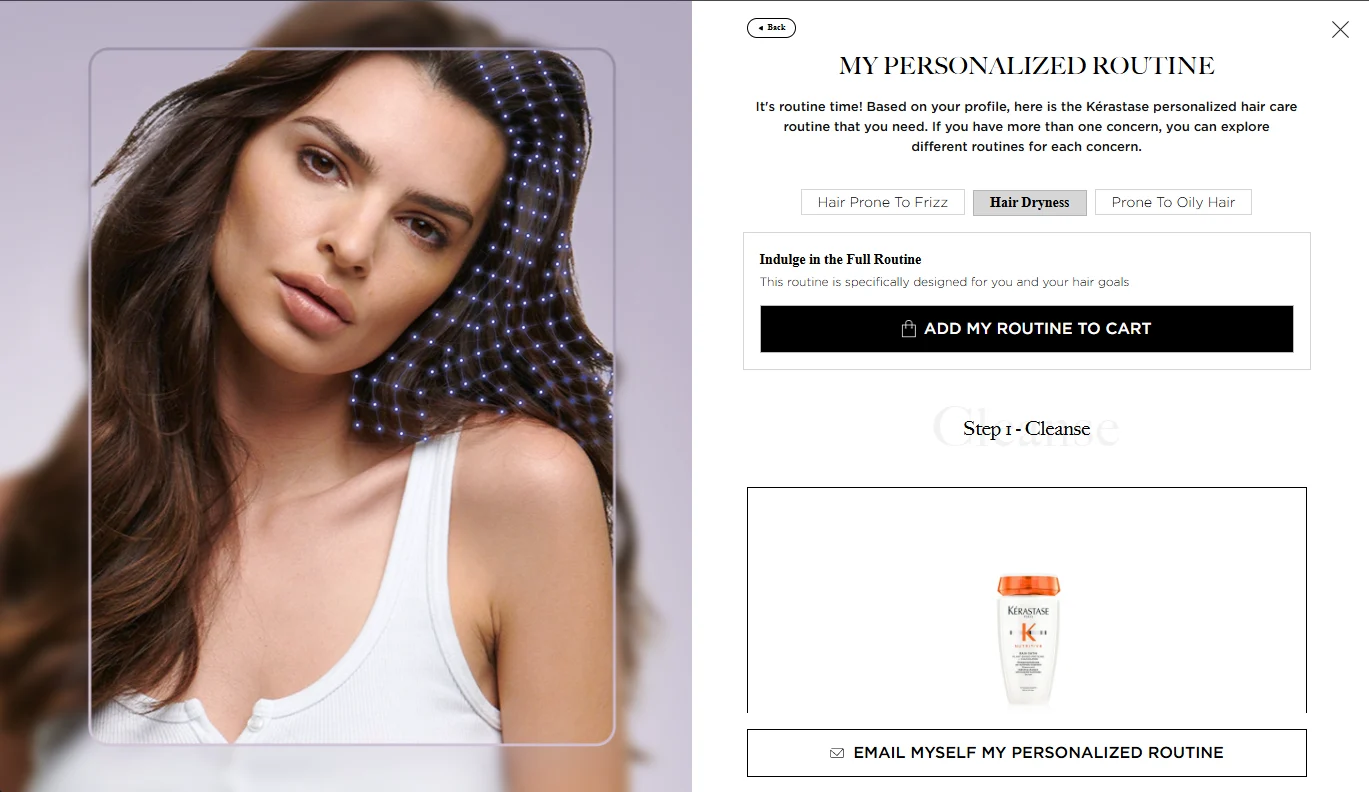
Kérastase’s hair quiz guides discovery by diagnosing key hair concerns and translating them into a step-by-step routine with directly shoppable product recommendations, making it easier for shoppers to find best-fit products beyond unguided browsing.
Create curated collections
Grouping products by use cases curates shopping experiences and can surface needs before shoppers articulate them. It reduces browsing friction and encourage exploration within a defined context.
For example, fashion retailer FWRD curates products by occasion and style. These include specific categories like “destination dressing” and “outfits for night outs” that align with fashion trends, allowing fashion items that receive lesser attention to be surfaced to the shopper.

Next, home furnishing retailer Crate & Barrel allows shoppers to “shop by room,” browsing products within styled interiors. This allows shoppers to explore other categories of home decor products that complement their ideal home design.

2. Create discovery points across the funnel
Discovery doesn't only happen on product pages. You can utilize opportunities at various parts of the customer journey to introduce products which may be helpful to shoppers — take inspiration from the following examples.
At the start of a search
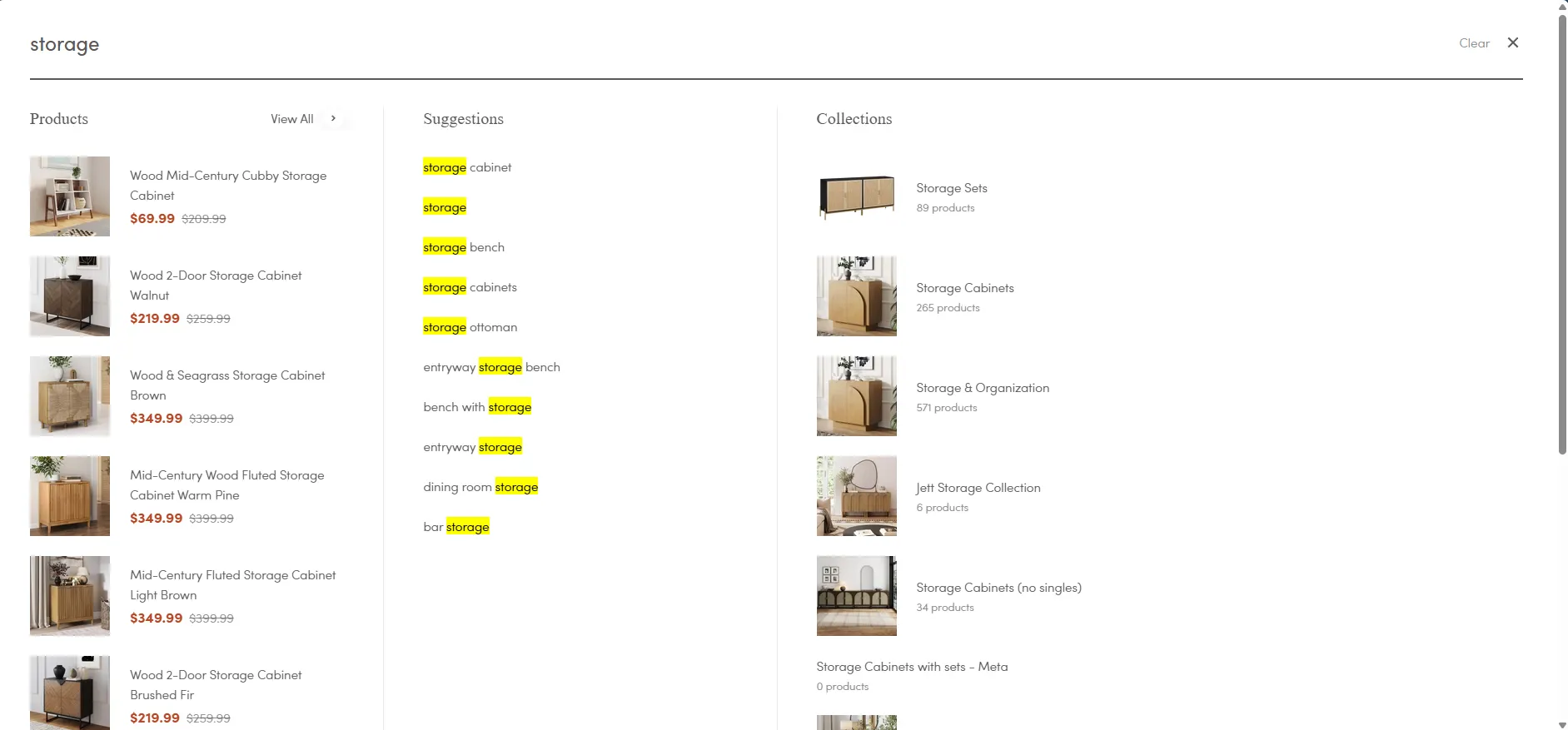
Homeware brand Nathan James autosuggests a list of product recommendations and collections whenever a user types in a search, increasing visibility of all related products.
On product pages
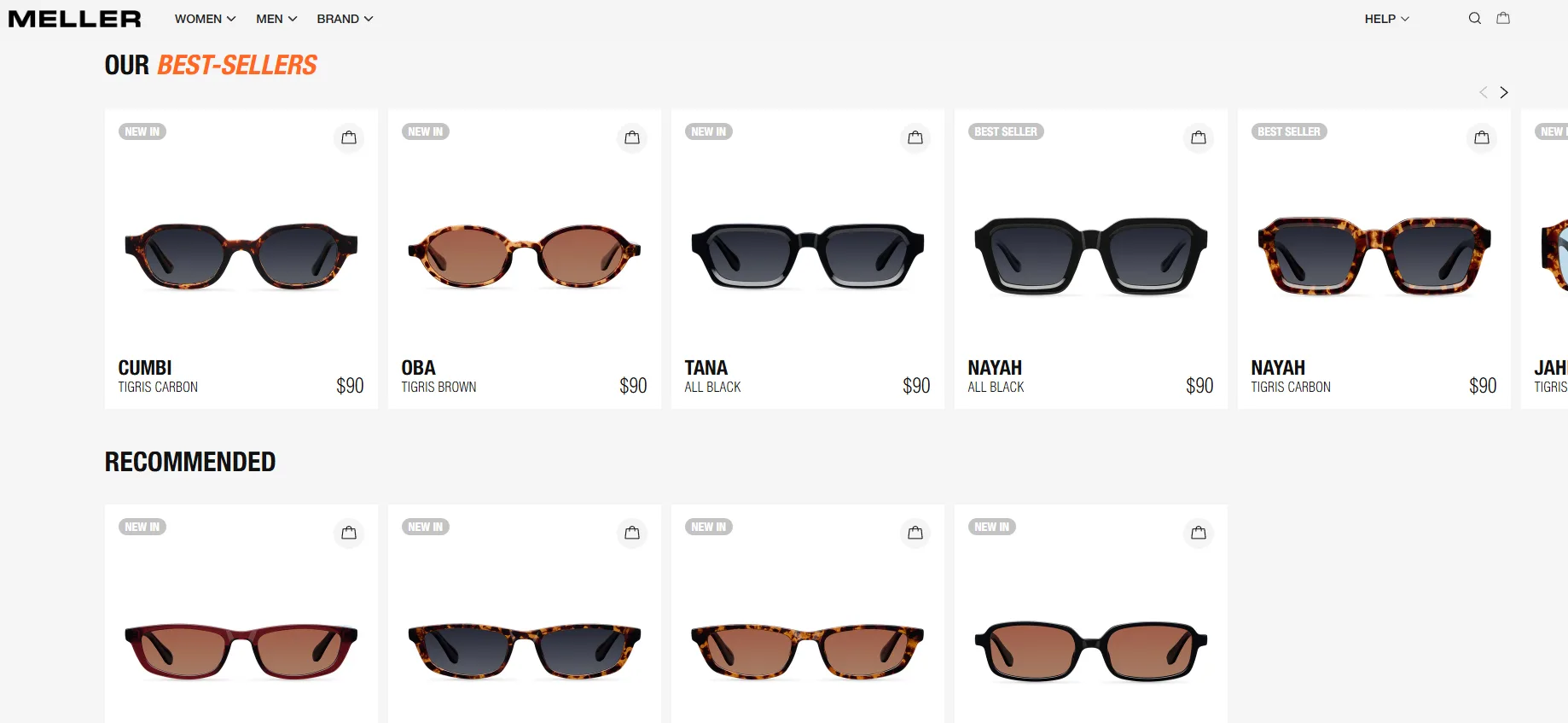
For sunglasses retailer Meller, their website introduces best sellers and recommended products. This helps shoppers compare and explore alternative frames and colors if the first product is unsuitable.
At checkout
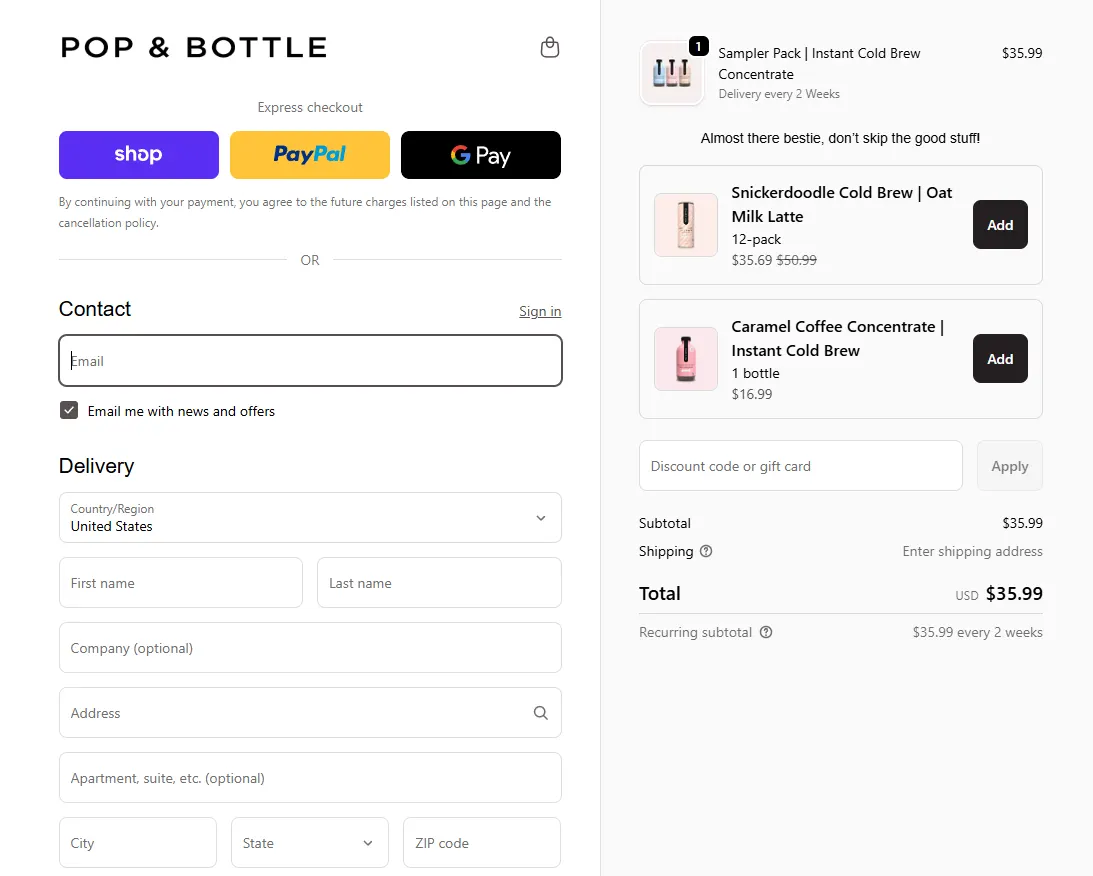
Coffee brand Pop & Bottle suggest more products in the checkout flow to help shoppers explore more products before their final payment.
Final Thoughts
While these strategies increase discovery opportunities, it can only be implemented effectively on sites with complete and accurate product data. If your catalog has missing attributes, inconsistent descriptions, or thin content, both shoppers and AI engines will struggle to surface the right products.
For brands managing large catalogs, maintaining this data manually may be unrealistic. Hypotenuse AI can help standardize, clean and enrich product content across your catalog.
Evidently, ecommerce product discovery is no longer a single moment — it’s a system of touchpoints shaped by social platforms, marketplaces, and increasingly, AI.
With this, brands that invest in strong data foundations, adaptable content, and discovery experiences will be better positioned to surface at the right moments.



.webp)
.avif)