

GDSN, the Global Data Synchronization Network, is how brands and retailers share product master data in one standard format with every trading partner at once. GS1, the standards body behind the GTIN and the barcode, maintains the standards it runs on and calls it "the world's largest product data network."
Take a sparkling water brand that sells to 50 grocery chains. Each chain needs the same facts about every product, such as the barcode number, size, weight and ingredients, and each may ask for them in its own spreadsheet. With GDSN, the brand enters those facts once, and every chain that subscribes receives them, along with any later updates.
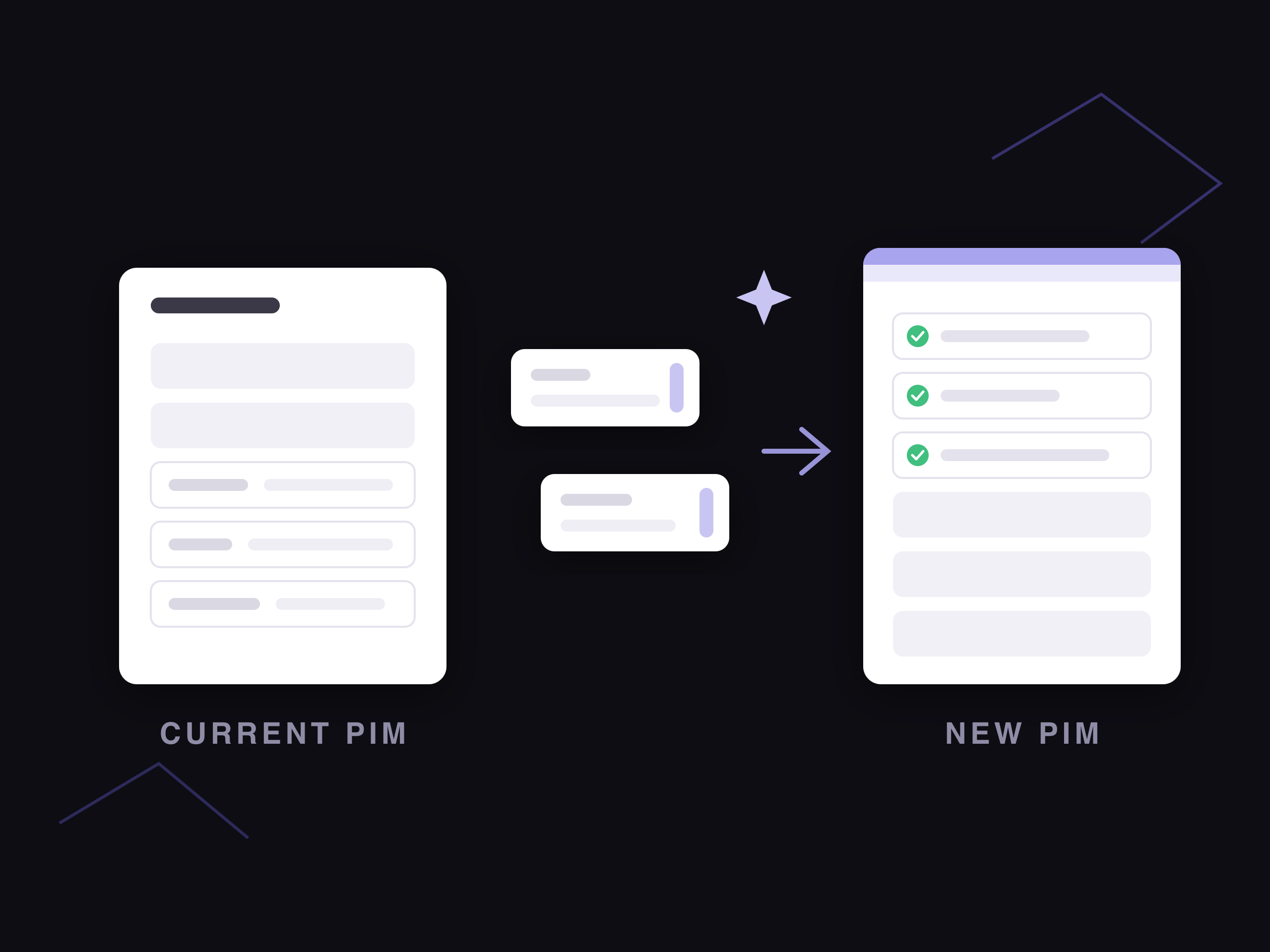
For retailers that ask suppliers to use it, GDSN can be where supplier data first arrives. A product page can still need more before it goes live.
What is GDSN?
GDSN connects trading partners through a network of GDSN-certified data pools. Brand owners, manufacturers, distributors, wholesalers, retailers, foodservice operators and healthcare providers use it so that everyone works from the same product information.
The data it moves is master data, and every item is keyed to a GTIN, the number behind the barcode. Its core attributes follow the GS1 Global Data Model, which GS1 describes as the foundational product attributes needed to list, order, store, move and sell products.
Once a brand publishes an item, updates flow to subscribed partners automatically. A change to an ingredient statement can reach every subscribed retailer from one update, without a new spreadsheet for each.
What's the difference between GS1 and GDSN?
GS1 is the not-for-profit organization behind the barcode. It sets the standards: its local offices license the company prefixes businesses use to create their own GTINs, and it maintains the GDSN standards and the Global Data Model.
GDSN is the network that runs on those standards. Brands and retailers join it through a GS1-certified data pool. Some pools are run by local GS1 offices and others by commercial providers, and each one connects to all the others.
How does GDSN work?
GS1 describes the process in five steps:
- Loading. The brand loads its product data into its data pool.
- Registering. The data pool registers a small set of identifying information in the GS1 Global Registry, which works as a directory of what data exists and which pool holds it.
- Subscription. The retailer, through its own data pool, subscribes to the products or suppliers it wants.
- Publishing. The brand's data pool sends the full item data to the subscriber's data pool.
- Confirmation. The retailer can send a confirmation back, saying whether it has synchronized or accepted the item, needs the brand to review it, or rejects it. This step is optional.
GDSN also describes each packaging level separately. For the sparkling water brand, a single can, a 12-pack and a case of two 12-packs can each carry their own GTIN, dimensions and weight, linked in a hierarchy. A warehouse can receive the case while a website sells the 12-pack.
What is a GDSN data pool?
A data pool is a GS1-certified service that holds your product data and connects you to the network. GS1 publishes the list of certified data pools.
Every certified pool does the same core job, but pools can differ in practice:
- how fully they support GS1's attributes, and any extra attributes a retailer asks for
- how data goes in and out, from XML and APIs to spreadsheet uploads
- how clearly they explain why an item was rejected
- how they price
A brand and a retailer can use different pools, since certified pools connect to each other. Before choosing one, ask your largest trading partners which pools they use and whether yours connects cleanly to theirs.
What data does GDSN carry?
The GS1 Global Data Model sorts product attributes into four layers. GS1 gives these examples:
- Global Core: required for every category everywhere, such as the GTIN and country of sale.
- Global Category: required within one category worldwide, such as storage temperature for food.
- Regional Category: required within a category in one region, such as an allergen statement in North America.
- Country or Local: required within a category in specific countries, such as packaging material quantity, often set by local regulation.
GDSN isn't limited to logistics data. It can also carry links to product images, marketing messages and feature-benefit statements. What actually arrives depends on what the brand fills in and what each recipient requires.
The standard keeps changing. GS1 ships maintenance releases on a published schedule, usually several a year, so attribute lists and validation rules can shift between releases.
Is GDSN data enough for an ecommerce product page?
Often it's a starting point. GDSN delivers the supplier's data in a standard format and keeps it updated. A product page usually asks for more, and in the retailer's own terms.
For the sparkling water 12-pack, GDSN may deliver the GTIN, dimensions, weight, ingredients, nutrition facts and a short marketing message. The retailer's site may also need:
- the flavor and sweetener values its own filters use, so the product appears when a shopper filters for "unsweetened"
- a title and description in the retailer's voice, since subscribers in a market typically receive the same brand copy
- category attributes the retailer requires beyond the standard set
- a check that the copy, the attributes and the image agree before the page goes live
Completeness also depends on the supplier. An optional field a brand leaves empty arrives empty for the retailers that subscribe. And not every supplier uses GDSN, so the same catalog may mix GDSN items with spreadsheets and PDFs from everyone else.
How do GDSN and a PIM work together?
GDSN moves product data between companies. A PIM manages it inside one company.
For a brand, a PIM is often where data is prepared and checked before it's published to the data pool. For a retailer or distributor, GDSN data usually lands in the ERP or PIM. There it's combined with data from suppliers who don't use GDSN, filled in and prepared for each channel. Our guide to PIM vs ERP covers how those two systems split the work.
How does Hypotenuse AI work with GDSN data?
Hypotenuse AI works on product data once it reaches your catalog, through connections to your ERP, PIM and ecommerce platform.
| What the product needs | What Hypotenuse AI does |
|---|---|
| Supplier data in your attribute names and units | AI matches supplier fields to your schema and standardizes values to your conventions. Supplier data management |
| Missing specs | Fills missing attributes from the web, UPCs, product images and spec sheets, with every suggested value traceable to its source. Product data enrichment |
| Your category tree and filters | Classifies products into your taxonomy, applies attributes and tags, and maps your taxonomy to the schemas platforms like Google and Amazon require. AI taxonomy automation |
| Copy in your voice | Generates product descriptions in bulk, in your brand voice. AI PIM |
| Checks before go-live | Checks copy against your rules, with every flag naming the rule and the field, and checks claims against the product's attributes and certifications. AI compliance checker |
| Suppliers who don't use GDSN | Suppliers submit through a portal in the format they already use, without touching your live catalog. Supplier data management |
To see how Hypotenuse AI fills in and checks product data across your catalog, get in touch with our team.



.avif)